August 13, 2026
Harnessing abundant natural illumination while slashing household power bills has become a central priority for modern homeowners. By strategically installing custom windows and doors, living spaces can be utterly transformed through enhanced daylighting and state-of-the-art thermal efficiency. Natural sunlight elevates the overall interior environment, offering verified psychological and physical health benefits to residents. Concurrently, high-performance building envelopes significantly mitigate thermal transfer, curbing reliance on artificial lighting and climate control systems. By balancing tailored aesthetics with energy-saving engineering, property owners can optimize indoor comfort while making a lasting investment in sustainable architecture.
Understanding the Importance of Natural Light
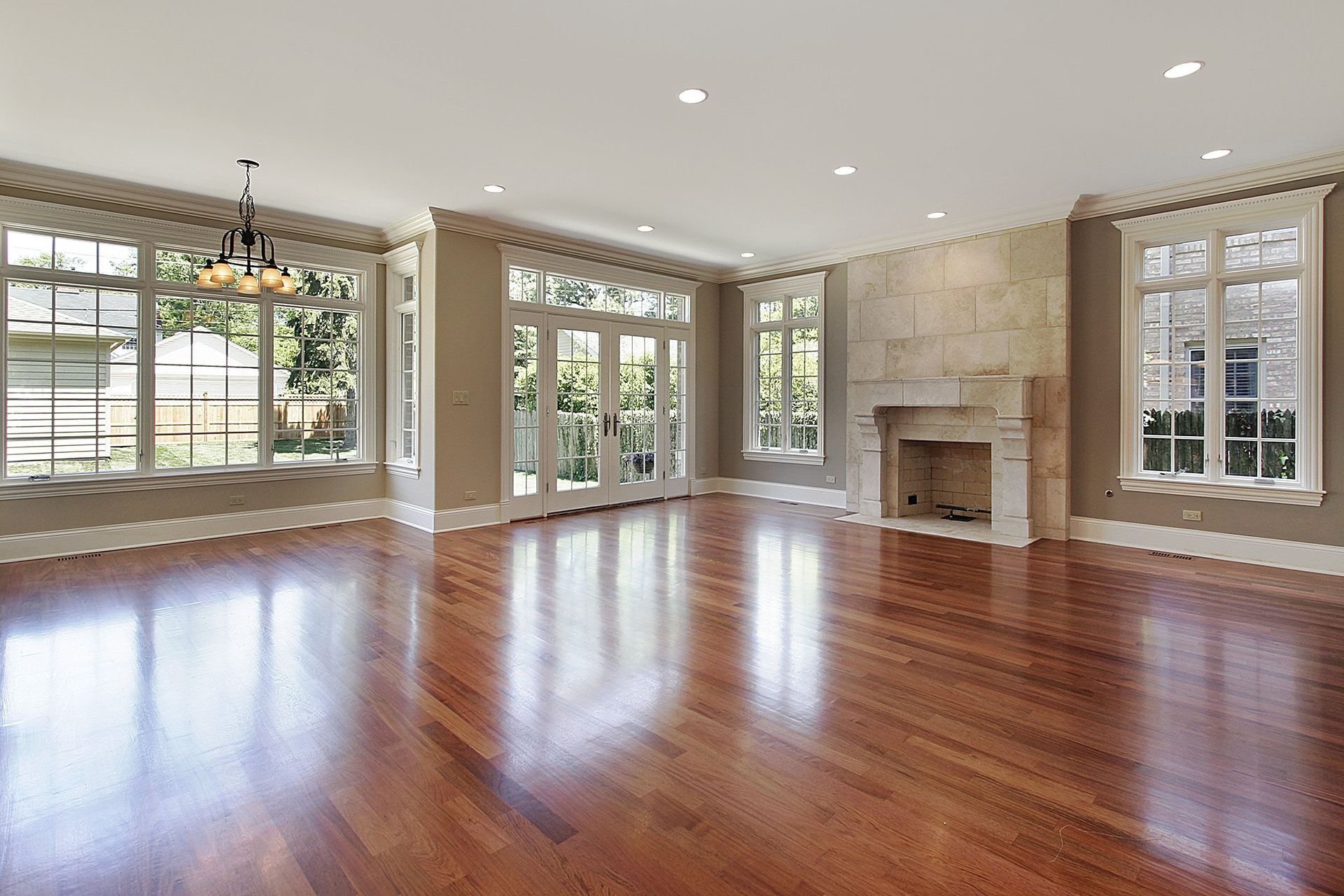
Natural light plays a pivotal role in contemporary interior design by emphasizing structural accents and creating inviting, dynamic living spaces. Interior designers routinely capitalize on daylight’s capacity to accentuate subtle textures and rich color palettes, making compact rooms feel vastly more expansive.
windows and doors
Beyond purely visual aesthetics, regular exposure to sunlight remains essential for regulating human biological rhythms. Increased daylight exposure within the home enhances daily focus, stabilizes mood, and supports healthy sleep patterns by reinforcing natural circadian cycles. Integrating custom windows and doors into primary living zones effectively captures ambient daylight throughout changing seasons, fostering a healthier residential environment.
From an environmental and economic perspective, passive sunlight serves as a completely free, renewable energy source. Utilizing strategic custom windows and doors allows homeowners to offset dependence on electrical fixtures during daytime hours, yielding measurable reductions in annual power consumption. Additionally, properties characterized by bright, sunlit interiors enjoy heightened market desirability, frequently translating to increased real estate values and swifter sales compared to poorly lit alternatives.
Energy Efficiency and Environmental Benefits
High-performance custom windows and doors serve as the first line of defense against unwanted thermal loss and heat gain. Advanced engineering—featuring specialized multi-pane glass, low-emissivity (Low-E) coatings, and insulated framing materials—drastically reduces heat transfer between exterior and interior environments. By maintaining stable indoor temperatures year-round, these energy-efficient fixtures decrease the operational workload on HVAC systems, directly cutting monthly utility expenses.
When selecting replacement fixtures, energy ratings offer crucial performance benchmarks. Products carrying recognized Energy Star certifications adhere to strict thermal performance guidelines, routinely lowering energy costs by significant margins. Beyond immediate financial relief, reducing overall household energy usage shrinks a property's carbon footprint. Utilizing sustainable manufacturing materials further minimizes environmental degradation, directly contributing to broader climate conservation goals.
While high-grade custom windows and doors require an initial capital investment, a comprehensive cost-benefit analysis highlights their long-term value. Reduced energy costs, potential localized tax incentives, and boosted structural durability deliver a strong return on investment over time.
Types of Custom Windows and Their Benefits
Selecting the appropriate window style involves balancing ventilation preferences, spatial constraints, and architectural aesthetics:
- Double-Hung Windows: Featuring two operable sashes that move vertically, these units offer versatile airflow and easy cleaning access from inside the home.
- Single-Hung Windows: Utilizing a fixed top sash and an operable bottom sash, single-hung designs offer classic appeal and exceptional weather sealing at a lower price point.
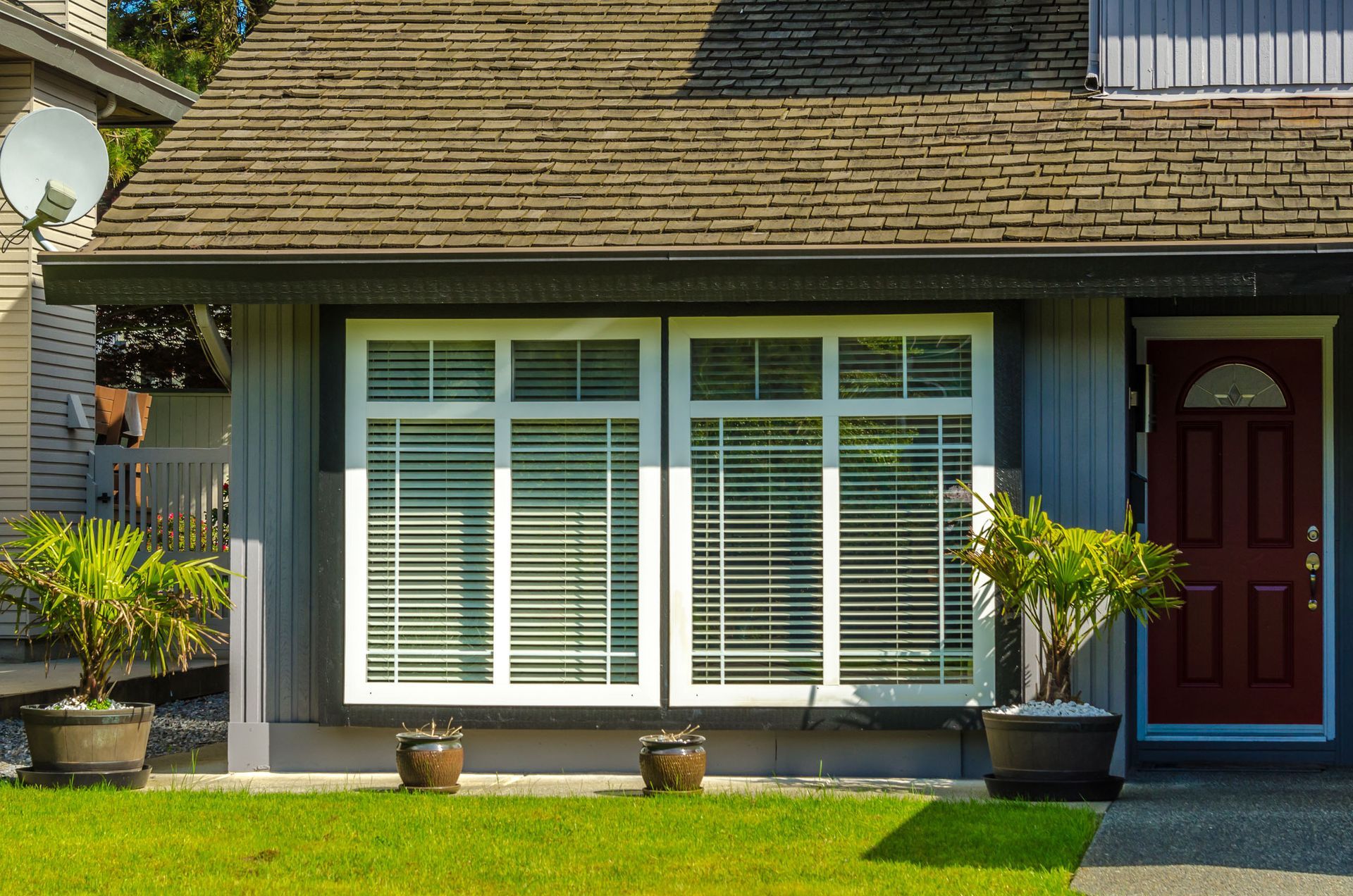
- Picture Windows: Fixed, non-operable picture units showcase sweeping, panoramic views while maximizing daylight intake and providing complete thermal insulation.
- Casement Windows: Outward-swinging casement designs crank open to catch side breezes, sealing tightly against their frames when closed to deliver outstanding energy efficiency.
- Specialty Shaped Windows: Custom geometric arches, circles, and angles allow homeowners to fill awkward structural spaces with functional daylight while adding striking exterior character.
Material selection equally dictates structural longevity and maintenance demands. Premium wood offers timeless warmth and natural insulating qualities, though it demands routine sealing. Low-maintenance vinyl delivers robust weather resistance and high thermal efficiency at a competitive cost. Meanwhile, architectural aluminum yields sleek, modern sightlines with impressive structural integrity, particularly when engineered with thermal breaks.
Custom Door Design Options and Efficiency
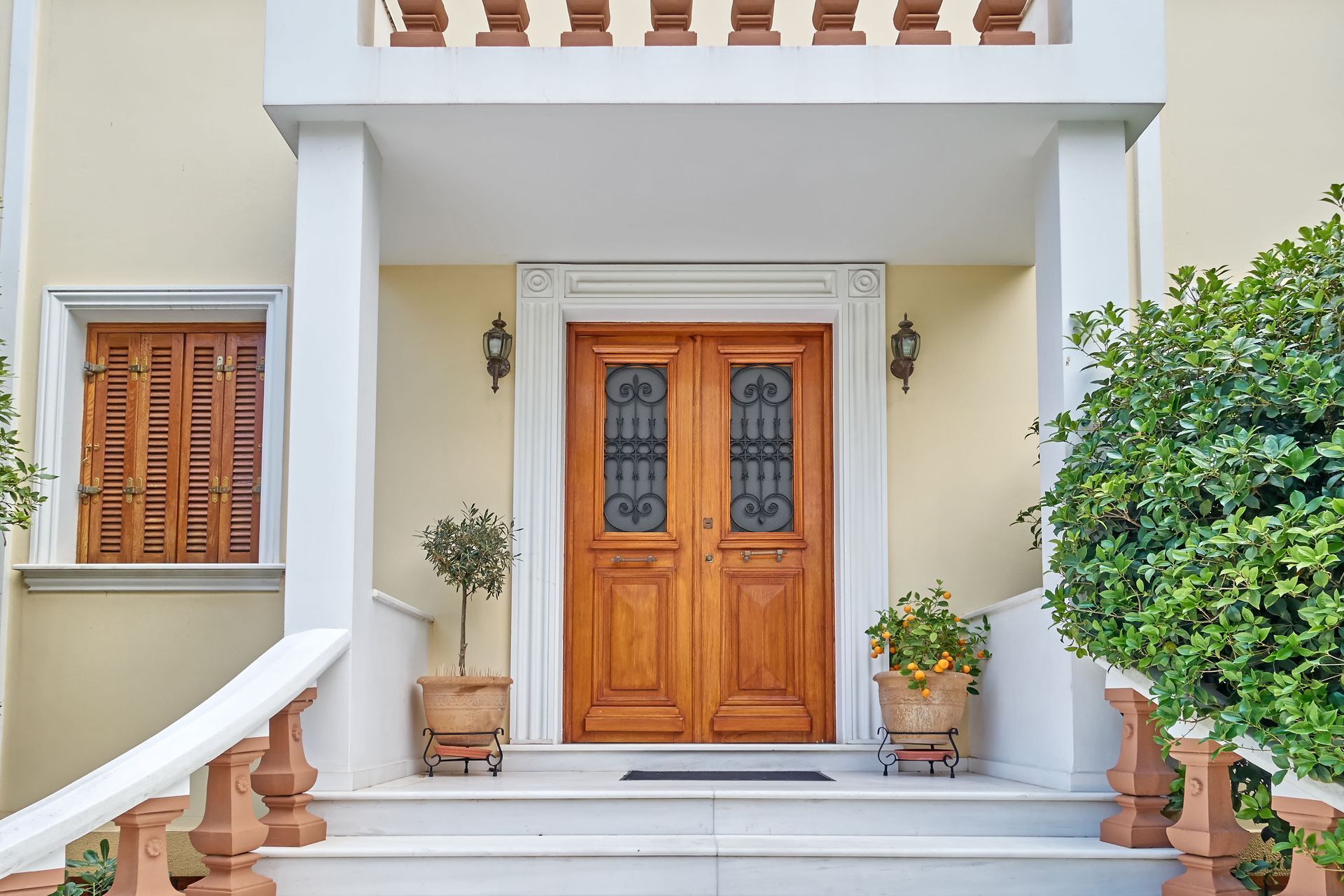
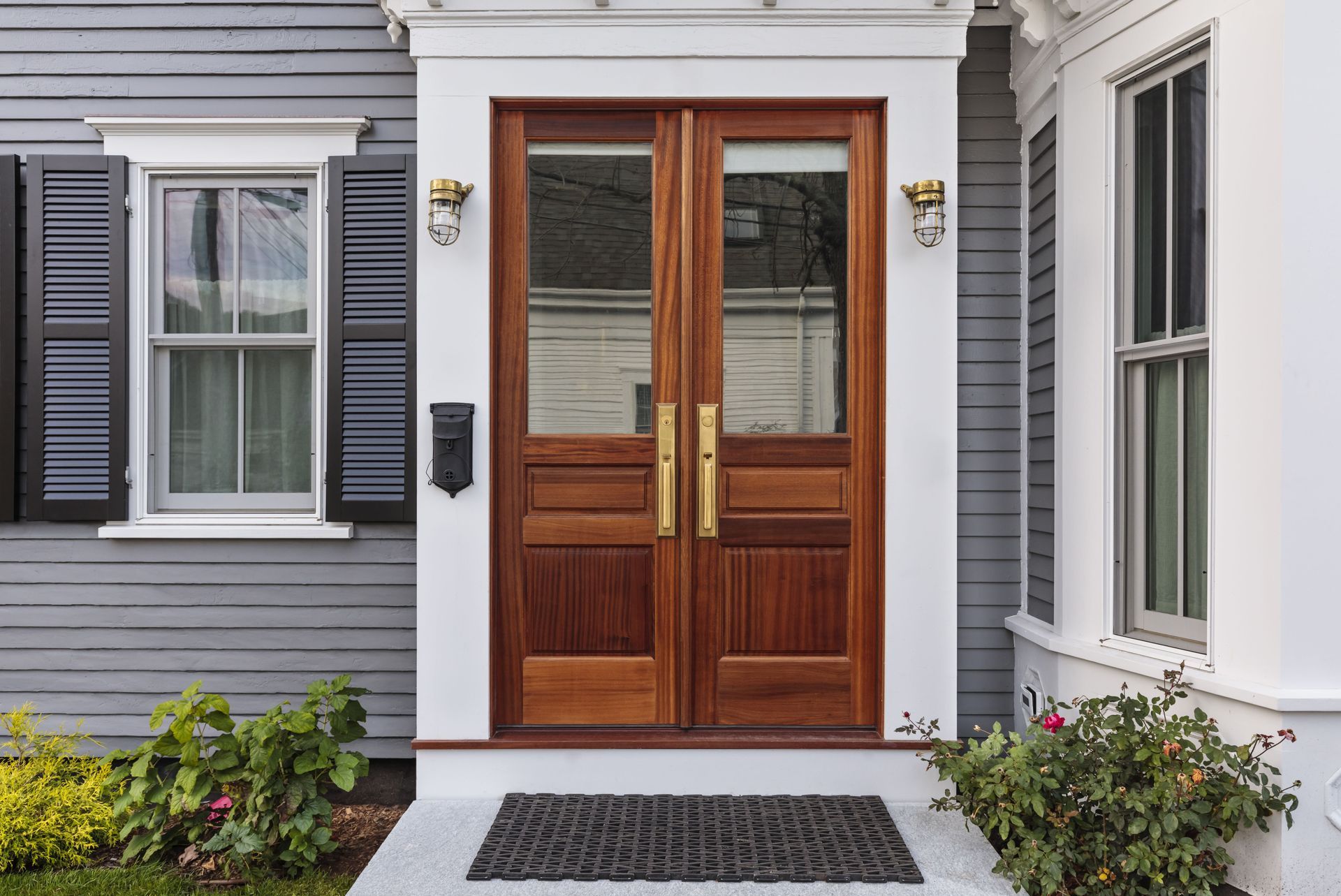
Entryways and patio doors represent critical transition points where interior style intersects with thermal performance. Selecting the right framing material shapes long-term resilience:
- Solid Wood: Provides timeless elegance and strong insulating properties, though it requires ongoing upkeep to prevent weather degradation.
- Fiberglass Composite: Replicates authentic wood grain aesthetics while resisting moisture, warping, and denting, offering superior insulation value with minimal upkeep.
- Steel Construction: Delivers exceptional security alongside dense insulated cores, standing as an incredibly durable, energy-efficient option for high-traffic entry points.
Stylistically, custom door choices fundamentally alter how daylight moves through a floor plan. Classic French doors feature multiple glass panes that bridge interior living spaces with outdoor patios, cultivating an open, airy ambience. Where floor space is at a premium, smooth-sliding door configurations maximize usable interior area while opening large wall sections to exterior light. Rephrasing industry insights, according to This Old House, indicates that a well-maintained sliding glass door can readily offer a service life of 20 years or more, reinforcing its value as a durable spatial solution.
Incorporating low-emissivity glass panels, decorative transoms, or side-lites into door assemblies invites maximum daylight into foyers without sacrificing privacy or thermal performance. Coupled with heavy-duty weatherstripping and high-density insulated cores, custom door installations effectively eliminate drafts and seal out severe weather.
Installation Best Practices and Professional Insights
Achieving optimal performance from custom windows and doors relies heavily on precision installation practices. A successful project begins with an accurate assessment of the home’s unique structural framing, regional climate demands, and architectural style. Engaging professional installers during the initial planning phase ensures correct measurements, appropriate structural shimming, and seamless integration with existing weather barriers.
Timing the installation during temperate, dry weather minimizes interior exposure and reduces installation complications. Partnering with certified, experienced professionals guards against widespread installation errors, such as misaligned frames, improper flashing, or compromised sealant beads. Inadequate installation can lead to hidden water intrusion, air leaks, and premature seal failure, invalidating manufacturer warranties and undoing the benefits of high-grade materials.
Post-installation longevity requires modest, consistent maintenance. Regularly clearing debris from sliding door tracks, inspecting perimeter caulking, lubricating mechanical hardware, and gently cleaning specialized glass surfaces keeps custom fixtures operating smoothly for decades.
Case Studies and Emerging Industry Trends
Real-world applications consistently demonstrate the transformative impact of architectural glass upgrades. In residential remodels, replacing outdated single-pane units with modern custom windows and doors regularly yields immediate drops in heating and cooling expenses while eliminating annoying indoor drafts. Commercial retrofits similarly highlight that optimizing natural light through expansive glass elevations boosts employee alertness, productivity, and overall indoor environmental quality.
Architects continue to push boundary lines by blending custom glass configurations with smart home technologies. Emerging trends feature electrochromic "smart" glass that automatically adjusts tint based on sun angles, as well as integrated photovoltaic glass capable of generating renewable power directly from daylight. Tailored finishes, ultra-slim frame profiles, and eco-friendly manufacturing continue to redefine residential construction, turning standard building envelopes into responsive, energy-generating systems.
Upgrading to tailored architectural features remains one of the most effective strategies for increasing home value, lowering operational expenses, and maximizing daily daylight exposure. By combining customized aesthetic choices with high-efficiency glazing and professional installation techniques, homeowners create healthier, brighter, and more resilient living spaces. Investing in high-performance materials not only elevates the overall curb appeal of your property, but it also establishes long-term thermal stability that protects your household budget from fluctuating energy costs. Ultimately, modernizing your building envelope delivers an exceptional blend of everyday comfort, environmental responsibility, and financial return. To start transforming your home with premium custom windows and doors, reach out to the experienced team at Ocean View Doors & Windows to explore the ideal solutions for your upcoming renovation.